


Owning an SUV in Dubai comes with comfort, practicality, and confidence on the road, but it also requires regular maintenance. Whether you drive mainly through busy city streets, commute long distances, or take occasional highway trips, consistent vehicle maintenance is essential for performance, reliability, and safety.
SUVs are generally larger and heavier than standard passenger cars, which means certain components can experience greater wear over time. Dubai’s hot climate, dusty conditions, and frequent use of air conditioning can also affect different vehicle systems.
Understanding the common maintenance costs can help SUV owners plan their budgets and avoid unexpected repair expenses.
Routine Servicing Costs
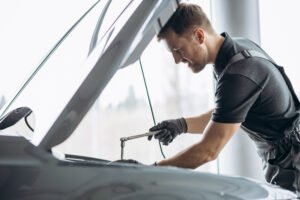
Routine servicing is one of the most common expenses for SUV owners. Regular maintenance typically includes engine oil replacement, oil filter replacement, air filter inspection, cabin filter replacement, fluid checks, and general vehicle inspections.
Dubai’s high temperatures can place additional stress on engines and other vehicle components. Regular oil changes help maintain proper engine lubrication and support reliable engine performance.
Air and cabin filters also require attention because dust and sand are common environmental conditions in the UAE. A clogged air filter can affect engine efficiency, while a dirty cabin filter can reduce the quality of air inside the vehicle.
The overall servicing cost depends on the SUV model, engine type, required parts, oil specification, and service provider.
Brake System Maintenance
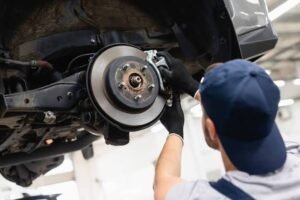
The braking system is one of the most important safety systems in an SUV.
Because SUVs are typically heavier than smaller cars, brake pads and discs can experience significant wear, particularly with frequent city driving and stop-and-go traffic.
Brake pads are generally replaced more frequently than brake discs. However, the replacement interval depends on driving habits, vehicle weight, road conditions, and the type of braking components used.
Common signs of brake wear include:
- Squeaking or grinding noises
- Vibrations while braking
- Reduced braking response
- A longer stopping distance
- Visible wear on brake components
Ignoring brake problems can lead to more expensive repairs, so inspection and timely replacement are important.
Tire Replacement and Wheel Alignment
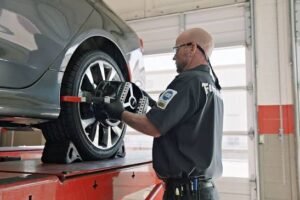
SUV tires are usually larger than standard passenger-car tires, which can make replacement more expensive.
In Dubai, high temperatures and regular long-distance driving can contribute to tire wear. Tire lifespan varies considerably depending on the tire type, driving habits, road conditions, vehicle weight, and maintenance.
Many SUV owners may need to replace their tires after several years or tens of thousands of kilometers, but there is no single mileage figure that applies to every vehicle.
Wheel alignment and balancing are also important parts of tire maintenance.
Incorrect alignment can result in:
- Uneven tire wear
- Steering problems
- Reduced driving stability
- Increased rolling resistance
- Shorter tire life
Regularly checking tire pressure, alignment, and tread condition can help extend tire life and improve driving safety.
Battery Replacement
Dubai’s extreme heat can be particularly demanding on automotive batteries.
A vehicle battery may deteriorate faster in very hot conditions, and battery performance can decline as the battery ages. The actual lifespan depends on the battery type, vehicle, driving pattern, maintenance, and environmental conditions.
Warning signs of a weak battery may include:
- Slow engine cranking
- Difficulty starting the vehicle
- Dim lights
- Battery warning indicators
- Electrical issues
Checking the battery periodically can help identify potential problems before the vehicle fails to start.
When replacement is required, choosing a battery with the correct specifications and capacity for the SUV is important.
Suspension and Steering Components
SUVs are designed to handle different road conditions, but suspension and steering components still experience normal wear.
Components such as shock absorbers, control arms, bushings, ball joints, and tie rods may require replacement as the vehicle ages.
Driving over uneven roads, speed bumps, potholes, and rough surfaces can contribute to wear.
Signs of suspension or steering problems may include:
- Excessive vehicle bouncing
- Unusual knocking sounds
- Uneven tire wear
- Steering vibrations
- Vehicle pulling to one side
- Reduced ride comfort
Regular inspection can help identify worn components before they affect vehicle stability or other parts.
Cooling System Maintenance
The cooling system is especially important in Dubai’s hot climate.
The engine cooling system helps regulate operating temperature and prevent overheating. Important components include the radiator, coolant, hoses, thermostat, water pump, cooling fans, and related components.
Coolant should be checked and replaced according to the vehicle manufacturer’s maintenance recommendations. Hoses and other cooling system components should also be inspected for leaks, cracks, or signs of deterioration.
Ignoring cooling system problems can result in overheating and potentially expensive engine repairs.
Early inspection is generally much more cost-effective than waiting for a major cooling system failure.
Air Conditioning Maintenance
Air conditioning is essential for comfortable driving in Dubai, particularly during the hotter months.
An SUV’s air conditioning system may require periodic inspection, including checks of the refrigerant level, compressor, condenser, cabin filter, and other components.
If the air conditioning is not cooling properly, produces unusual sounds, or has weak airflow, it may require professional inspection.
Keeping the cabin filter clean and ensuring the system is properly maintained can help maintain effective cooling.
Engine and Transmission Maintenance
The engine and transmission are among the most important and expensive systems in an SUV.
Regular engine oil changes, fluid inspections, filter replacements, and scheduled maintenance can help reduce unnecessary wear.
Transmission maintenance varies depending on the type of transmission and the manufacturer’s recommendations. Some vehicles require transmission fluid replacement at specific intervals, while others have different maintenance requirements.
Ignoring warning signs such as unusual noises, delayed gear engagement, slipping, or fluid leaks can result in costly repairs.
Unexpected Repairs
Even a well-maintained SUV can experience unexpected problems.
Electrical components, sensors, belts, hoses, mechanical components, and other parts can fail due to age, wear, or environmental conditions.
Unexpected repair costs can be difficult to predict, but regular inspections can help identify developing problems earlier.
Using suitable and reliable replacement parts is also important when repairs are required. The correct part should match the vehicle’s specifications and application.
Managing SUV Maintenance Costs the Smart Way
SUV maintenance in Dubai does not have to become overwhelming when it is planned properly.
A proactive maintenance approach can help vehicle owners manage costs more effectively. Instead of waiting for a component to fail, follow the manufacturer’s recommended maintenance schedule and inspect important systems regularly.
A practical maintenance checklist includes:
- Regular engine oil and filter changes
- Air and cabin filter inspections
- Brake inspections
- Tire pressure and tread checks
- Wheel alignment and balancing
- Battery testing
- Cooling system inspections
- Air conditioning maintenance
- Suspension and steering inspections
- Transmission and fluid checks
- Timely replacement of worn components
When replacement parts are required, selecting components that are compatible with your vehicle is essential.
Choose the Right Auto Spare Parts for Your SUV
The quality and compatibility of replacement parts can have an important role in vehicle maintenance.
Before purchasing a component, check the vehicle make, model, year, engine specification, and part number where available. This helps reduce the possibility of purchasing an incorrect component.
OCARS provides aftermarket auto spare parts for different vehicle applications, helping vehicle owners, workshops, and businesses find suitable replacement components.
Whether you need engine components, brake parts, suspension components, cooling system parts, filters, or other automotive products, choosing the correct replacement part can make the repair process more efficient.
Final Thoughts
Maintaining an SUV in Dubai involves several regular expenses, including servicing, brakes, tires, batteries, suspension components, cooling systems, air conditioning, and occasional unexpected repairs.
The exact cost depends on the SUV model, age, driving habits, replacement parts, and maintenance requirements.
The best way to control long-term maintenance expenses is to follow a consistent service schedule, identify problems early, and use suitable replacement parts when repairs are necessary.
For SUV owners looking for reliable aftermarket auto spare parts in Dubai, OCARS can help with product selection and replacement part requirements.
What Are the Common Maintenance Costs for an SUV in Dubai
Owning an SUV in Dubai comes with comfort, practicality, and...
Read More
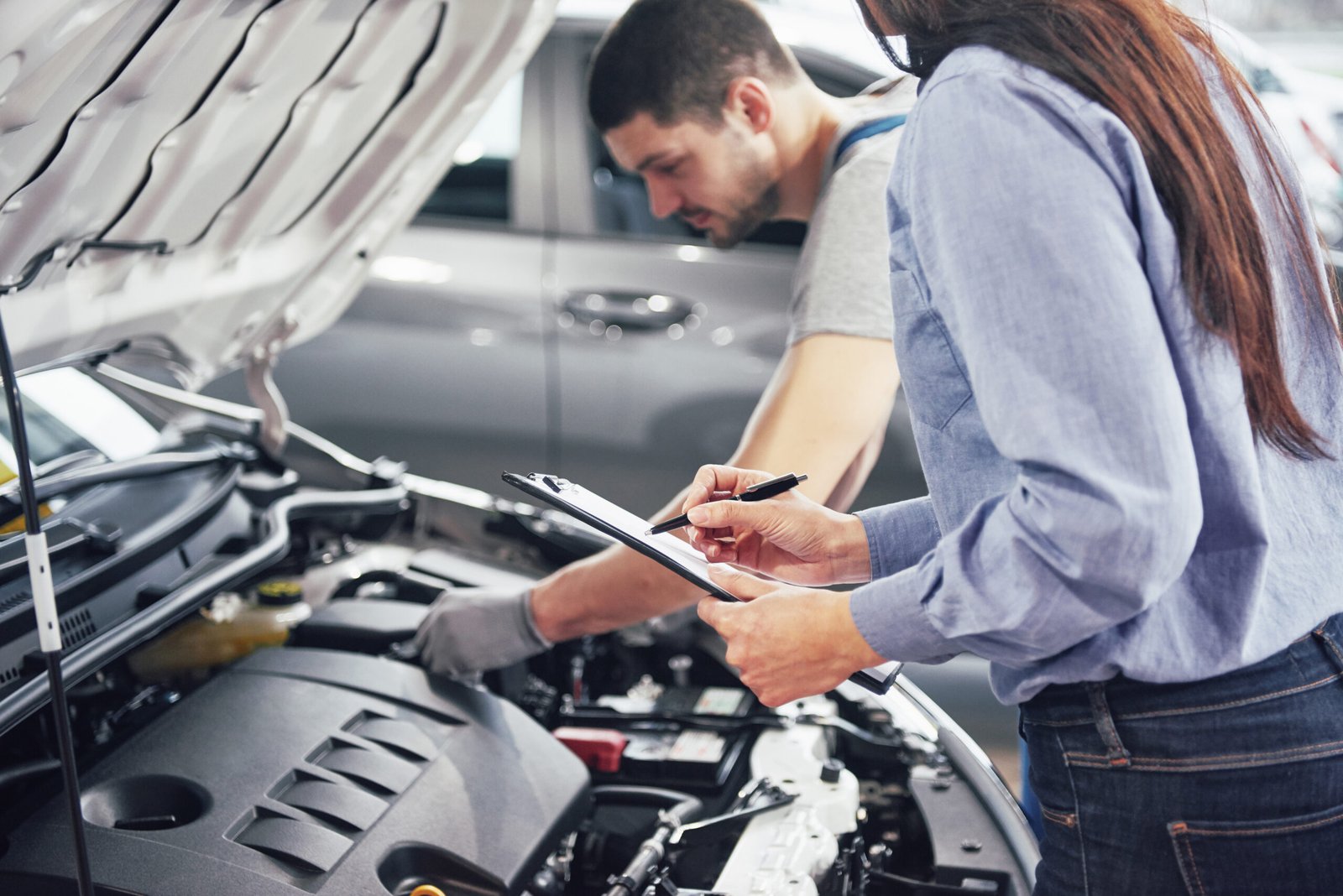
The Complete Checklist for Buying the Best Auto Spare Parts in Dubai
Buying replacement auto spare parts is something vehicle owners, workshops,...
Read More
UAE Automotive Aftermarket in 2026
The UAE automotive aftermarket is entering an important new phase...
Read More